Cold Climate Ductless Heat Pump Systems for Colorado Springs Winters
Standard heat pumps lose heating capacity as outdoor temperatures drop. Cold climate models are engineered to maintain usable heat output during Colorado Springs’ winter conditions — using enhanced compressor technology, intelligent defrost cycles, and components rated for sustained low-temperature operation.
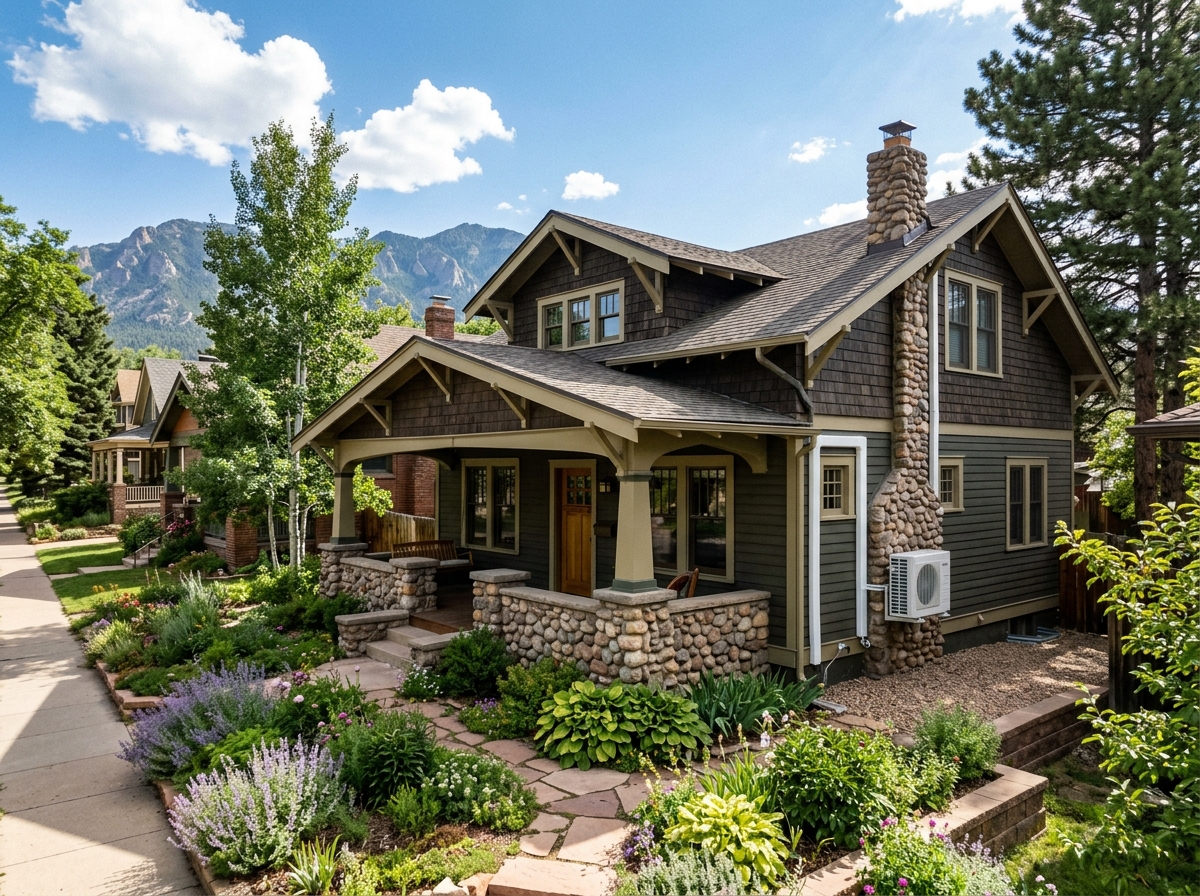
How Cold Climate Ductless Heat Pumps Operate During Colorado Winters
Cold climate heat pumps don’t simply run harder in the cold — they use fundamentally different compressor technology and control strategies designed to extract heat efficiently from outdoor air at low temperatures.
Variable-Speed Compressor Technology
Cold climate models use inverter-driven compressors that adjust speed across a wide operating range. In moderate conditions, the compressor runs slowly and efficiently. As outdoor temperatures drop, it ramps up to a higher speed to maintain heating output — rather than simply cycling on and off like a fixed-speed unit. Some models use enhanced vapor injection (EVI) technology that injects supplemental refrigerant vapor into the compression cycle, extending the compressor’s operating range to much lower temperatures.
Low-Temperature Heating Capacity
A standard heat pump may retain only 40–60% of its rated capacity at 17°F. Cold climate models are engineered to retain a much higher percentage of their rated capacity at low temperatures — many maintain 75%+ capacity at 5°F and continue producing usable heat below 0°F. This is the critical difference that makes them practical for Colorado Springs winters, where sustained cold periods and overnight lows regularly drop below freezing.
Defrost Operation
During heating mode, moisture in outdoor air can accumulate as frost on the outdoor coil. Cold climate models use demand-based defrost — monitoring actual frost accumulation rather than running on a fixed timer. When defrost is needed, the system temporarily reverses the refrigerant cycle to melt the ice, then returns to heating mode. This intelligent approach minimizes energy waste and reduces the brief interruption to indoor heating that occurs during each defrost cycle.
Standard Heat Pump vs. Cold Climate Heat Pump
Understanding where standard heat pumps fall short helps explain why cold climate models exist and when they’re the right choice for Colorado Springs homes.
| Feature | Standard Heat Pump | Cold Climate Heat Pump |
|---|---|---|
| Effective heating range | Down to ~25–30°F | Down to -13°F to -22°F |
| Capacity at 17°F | 40–60% of rated | 75%+ of rated |
| Compressor technology | Standard inverter or fixed-speed | Enhanced inverter / vapor injection |
| Defrost control | Timer-based or basic sensor | Demand-based intelligent defrost |
| Supplemental heat | Often required below 30°F | Typically primary heat source |
| Colorado Springs suitability | Shoulder seasons only | Year-round primary heating |
Important Cold-Weather System Selection Factors
Choosing the right cold climate heat pump for a Colorado Springs home requires evaluating several interconnected factors. Here are the most critical ones.
Heating Load Calculation
The home’s heating load determines the total BTU capacity needed. This accounts for square footage, insulation quality, window area and type, ceiling height, air infiltration, and the number of exterior walls. In Colorado Springs, the combination of altitude and dry climate creates specific thermal conditions that affect load calculations — particularly in older homes with limited insulation.
Equipment Capacity at Design Temperature
Equipment capacity must be evaluated at the local outdoor design temperature — approximately 2°F for Colorado Springs. A system that produces 36,000 BTU at 47°F may only deliver 22,000 BTU at 5°F. We match the system’s published capacity at the design temperature to the calculated heating load, ensuring the equipment can handle peak winter demand without relying heavily on supplemental heat.
Outdoor Design Conditions
Colorado Springs experiences specific winter conditions that affect heat pump selection: outdoor design temperatures near 2°F, elevation above 6,000 feet reducing air density, dry air with occasional high-moisture storm events, and significant day-to-night temperature swings. These conditions must be factored into both equipment selection and outdoor unit placement planning.
Supplemental Heat Evaluation
For some homes, a cold climate heat pump can serve as the sole heat source. For others — particularly homes with poor insulation, large glass areas, or very high heating loads — a supplemental heat source may be needed for the coldest periods. Options include electric resistance baseboard, an existing gas furnace, or a secondary electric heater. We evaluate whether supplemental heat is necessary as part of the system design.
Outdoor Unit Placement for Snow and Winter Conditions
Where and how the outdoor unit is positioned directly affects its performance and longevity during Colorado Springs winters. Proper placement prevents snow-related issues and ensures reliable defrost operation.
Ground Clearance
The outdoor unit must be elevated above expected snow accumulation levels. A raised platform, wall-mounted bracket, or concrete pad with sufficient height prevents snow from blocking the condenser coil and restricting airflow. In Colorado Springs, where individual snowstorms can deposit 6–12 inches or more, adequate elevation is critical for uninterrupted winter operation.
Snow and Ice Considerations
The unit should be positioned away from roof drip lines where melting snow can refreeze on the condenser. Placement under eaves that shed large volumes of snow or ice should be avoided. Wind direction matters too — positioning the unit where it’s partially shielded from prevailing winter winds reduces the volume of snow that contacts the unit while still allowing adequate airflow for heat exchange.
Drainage and Defrost Water
During defrost cycles, the outdoor unit produces water as accumulated frost melts. This water must drain away from the base of the unit to prevent refreezing and ice buildup. In Colorado Springs’ freeze-thaw cycles, poor drainage around the outdoor unit can create a persistent ice mass that restricts airflow and damages the unit over time. Proper grading and drain routing prevent this.
Cold Climate Heat Pump Options
Cold climate heat pumps are available in the same indoor unit configurations as standard systems — the difference is the outdoor unit’s cold-weather capability and the system’s overall heating performance at low temperatures.

Cold Climate Heat Pump FAQ
Cold climate heat pumps use enhanced variable-speed compressor technology that maintains heating output at much lower outdoor temperatures than standard models. While a conventional heat pump may lose significant capacity below 20°F, cold climate models are rated to produce usable heat at temperatures as low as -13°F to -22°F depending on the manufacturer and model line. Colorado Springs rarely reaches these extremes, which means a properly sized cold climate unit can handle the majority of winter conditions.
It depends on the system’s rated heating capacity at your local design temperature and the home’s calculated heating load. In many Colorado Springs applications, a properly sized cold climate heat pump can serve as the primary heat source. However, for homes with very high heating loads, poor insulation, or exposure to persistent cold winds, a supplemental heat source — such as electric resistance baseboard or an existing furnace — may be recommended for the coldest periods. We evaluate this during system sizing.
During heating mode, moisture in outdoor air can freeze on the outdoor coil. The defrost cycle temporarily reverses the refrigerant flow to melt this ice buildup — typically lasting a few minutes. Cold climate models use intelligent defrost control that activates only when frost is actually detected, rather than running on a fixed timer. This reduces energy waste and minimizes interruptions to indoor heating output.
The outdoor unit should be elevated above expected snow accumulation — typically on a raised platform or wall bracket. It should be positioned away from roof drip lines where ice can fall, protected from prevailing wind when possible, and located where defrost water can drain away without refreezing at the base. Placement must also allow adequate airflow clearance on all sides for proper heat exchange.
The primary difference is the compressor technology and low-temperature operating range. Standard heat pumps lose heating capacity as outdoor temperatures drop and may struggle below 25–30°F. Cold climate models use enhanced vapor injection or variable-speed inverter compressors specifically designed to maintain heating output at much lower temperatures. They also feature improved defrost controls and components rated for sustained cold-weather operation.
Sizing requires calculating the home’s heating load at the local outdoor design temperature — typically around 2°F for Colorado Springs. The system’s rated heating capacity at that design temperature must meet or exceed the calculated load. Altitude adjustment is also applied since reduced air density above 6,000 feet affects heat transfer. We use manufacturer performance data at specific temperatures rather than generic BTU ratings to ensure accurate sizing.
Plan Ductless Heating Designed for Colorado Springs Winters
If you’re considering a heat pump that can serve as a reliable primary heating source through Colorado Springs’ coldest months — contact us. We’ll evaluate your home’s heating load, recommend the right cold climate equipment, and plan the installation for optimal winter performance.